
Our team

GROUP LEADER - GLOBAL PROFESSOR OF SYSTEMS NEUROSCIENCE
Professor Michael Breakspear
I am the group leader of the Systems Neuroscience Group with interests in computational neuroscience and translational neuroimaging. My contributions to the former focus on dynamic models of large-scale brain activity, toolbox development and the detection of nonlinear dynamics in empirical data. My work in translational imaging encompasses healthy ageing, dementia, bipolar disorder and schizophrenia, with a focus on connectomics and risk prediction.
I grew up in Sydney and studied medicine, philosophy and mathematics. I undertook early career research training in the School of Physics at the University of Sydney before moving to the School of Psychiatry at UNSW as a mid-career researcher. I formed the Systems Neuroscience Group at UNSW in Sydney in 2004, then moved to QIMR Berghofer Medical Research Institute from 2009. I relocated to Newcastle in 2019 and established the Systems Neuroscience Group, Newcastle with aspirations to integrate basic methods, bioinformatics and clinical translation with a unique regional Australian character. Our imaging centre is in a beautiful bushland setting on Awabakal country.
In addition to basic research training, I also completed training in psychiatry and nowadays combine my research career with clinical sessions in adult psychiatry. I have an interest in recovery-focussed treatment of mood disorders, psychosis, and addiction. In the past, I have worked in Prison Mental Health and Inner City community psychiatry.
I have a passion for climate science, being rather social, and surfing.
RESEARCH ASSOCIATE & RESEARCH MANAGER
Renate Thienel, PhD
Biography: I am a Mid-Career Researcher with a passion for improving health outcomes; I hold a PhD (Science), Master in Professional Psychology, Postgraduate Diploma in Psychology, and a BSc (Hons). My research activities span across clinical, cognitive and neuroscientific aspects of health and mental health.
My research focuses on work with clinical and non-clinical participants and spans across methodologies such as self-report surveys, clinical and cognitive assessments, magnetic resonance imaging, pharmacological agents, transcranial direct current stimulation, electroencephalography etc. I have published 56 HERDC research publications including 30 (C1) journal articles, 5 book chapters (1 B1, 1 D1), and 25 conference papers, 1 white paper and several governmental reports reflecting my academic efforts and contributions, with a h-index of 17, and 1111 citations. I have over 10 years of experience working as a mentor and supervisor for domestic and international students including HDR students.
My career grant income is $520,853 (excluding $1,500,000 from AI positions) across category 1, category 3 and internal grants including a prestigious 4 year UoN post-doctoral fellowship. Since 2019, I am the Research Manager of Michael Breakspear’s Systems Neuroscience Group at HMRI’s Imaging Centre where I am coordinating and am involved in the groups various research studies which includes the Newcastle site for the Australian Dementia Network (ADNeT).
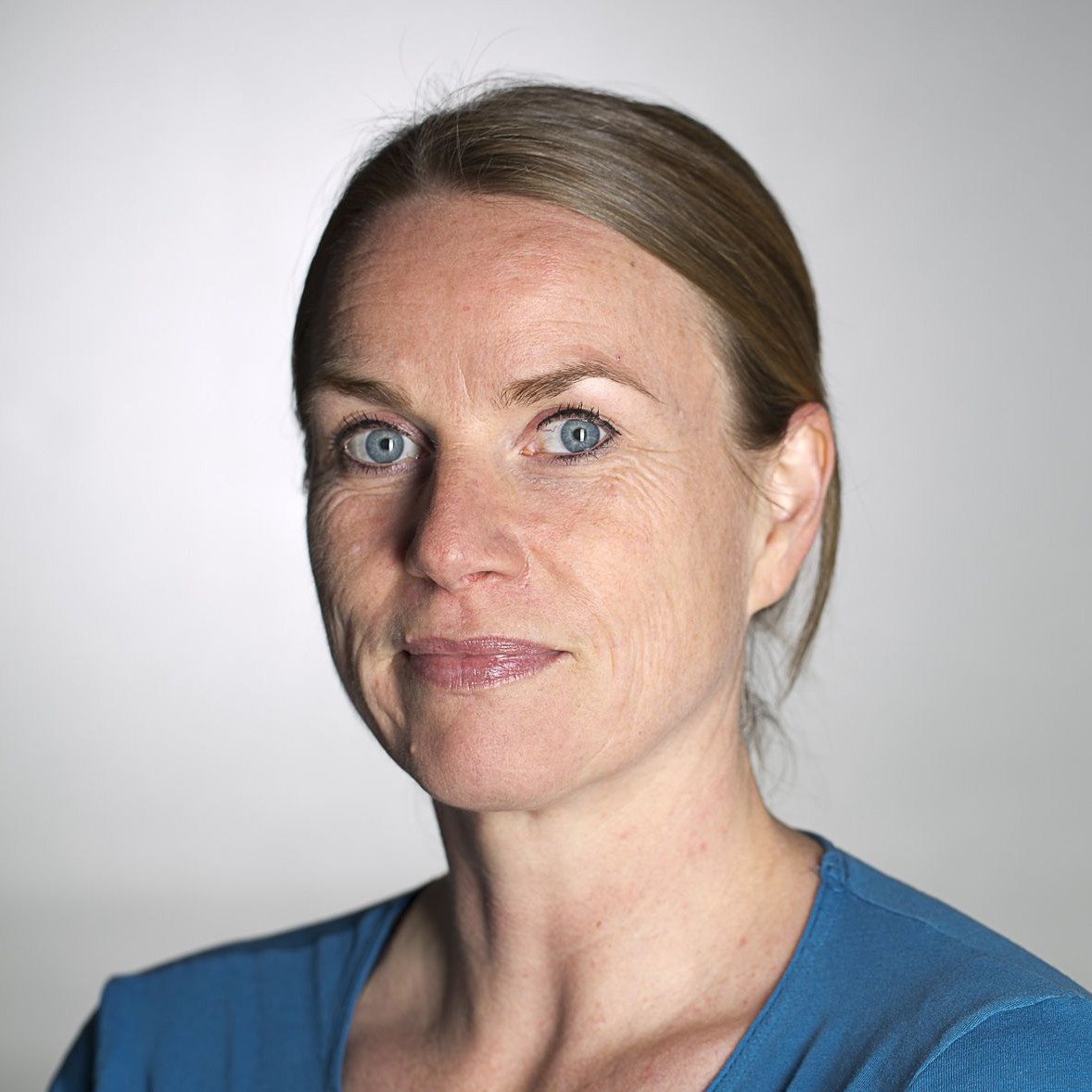

DATA SCIENTIST & TECHNICAL SUPPORT
Bryan Paton, PhD
Biography: I have a diverse background in computer engineering, philosophy and cognitive neuroscience. I am a nerd at heart and having this broad experience lets me combine all of my interests.
Consciousness & Attention: I am deeply interested in the brain and how perceptual experiences transition from non-conscious to conscious and what are the factors, cognitive, behavioural and neurophysiological involved. I have some experience with binocular rivalry, continuous flash suppression and related paradigms.
Learning under conditions of uncertainty or volatility: I am also interested in learning, in general, especially models of the process where there are sources of noise and/or uncertainty and when these themselves change over time e.g. volatility. I have also been trying to develop novel paradigms to study these processes in a dyadic, social setting.
Computational models: I have in interest in how the brain works, and the methods used to study it, having a long background in EEG, MRI and many other related technologies. By combining these methods of data collection and using computational models of the behavioural and neurophysiological mechanisms involved I hope to gain more insight in these phenomena in both the healthy brain and its pathophysiology including Schizophrenia, Autism Spectrum Disorder and Dementia.
POSTDOCTORAL RESEARCH FELLOW
Richa, PhD
Biography: I'm Richa and I am working as a postdoctoral candidate with Professor Michael Breakspear’s group. My encounter with research began in earnest during my Master’s thesis at IIT-Bombay, which involved exploring stochastic resonance in chemical oscillators and I've been fascinated by the broad field of complex dynamical systems since.
The central theme of my PhD thesis has been to explore and characterize the effect of external sensory stimulation on human brainwaves recorded using EEG. I believe in deconstructing a problem to its simplest form and then piece by piece, layering complexities to see the bigger picture emerge. In order to implement this research philosophy, I lean on dynamical systems theory for modeling to complement the EEG recordings and employ tools from statistical physics.
Research Interests: Outside the realm of brainwaves, I have worked with both dynamic and static small-world networks to explore the manifestations of "echo" behavior in complex networks. I have also been exploring other non-linear dynamical phenomena such as stochastic resonance, fractals, and oscillation quenching using both experimental systems as well as numerical models.
Beyond the lab and the world of research, teaching and science communication are very close to my heart and I am always up for a conversation about the brain, non-linear dynamics, teaching or books.
Broad areas of Interest: Neural Mass models, EEG, Neural Field Theory, Networks and complex systems.

POSTDOCTORAL RESEARCH FELLOW
Anna Behler, PhD
Research Interests: With a physics background, I am particularly fascinated by the potential of using advanced statistical techniques and machine learning methods to analyze and interpret neuroimaging data. I plan to leverage computational modeling to gain a deeper understanding of the complex workings of the brain. Aside from my interest in computational neuroimaging, I am fascinated by the potential of eye-tracking as a tool to gain insights into the brain. Having previously utilized videooculography in clinical settings to study Parkinsonism and amyotrophic lateral sclerosis, I am now eager to delve deeper into the relationship between eye movements and cognition.
Biography: I completed my M.Sc. in physics at TU Dresden, Germany, followed by a research assistant position. Back then, my research focused on magnetic effects in thin films. Following a career break, I shifted towards education, where I undertook a teaching role and contributed to the development of master-level courses in machine learning. Motivated by my passion for research and the enjoyment I derive from it, I made another career transition and did my PhD at the Medical Centre of Ulm University, Germany, where I used my computational background to improve the reliability of diffusion tensor imaging studies in amyotrophic lateral sclerosis. I recently took up my first postdoctoral position in the Systems Neuroscience Group, Newcastle.

RESEARCH ASSOCIATE
Joseph Giorgio, PhD
Biography: I’m originally from Adelaide, where I completed my undergraduate and master’s degrees in biomedical engineering, focusing on microelectronics and neuroscience. After this initial tranche of HECS accumulation, I moved to Sydney to take up a position as a research engineer at Cochlear Ltd. While at Cochlear, I took a second bite of the HECS cherry and completed a Master of Business and Technology, with a focus on medical device innovation.
With a European passport burning a hole in my pocket, I moved to the UK (back when it was still part of the EU), where I earned a PhD in computational neuroscience from the University of Cambridge. My doctoral research integrated multimodal neuroimaging, genetic, and cognitive data using machine learning to model prognostic trajectories of tau pathology and cognitive decline.
Currently, I am a postdoctoral researcher split between the Breakspear Lab at the University of Newcastle and the Jagust Lab at UC Berkeley. I’m funded by an Alzheimer’s Association Research Fellowship, following a Fulbright Postdoctoral Fellowship.
Research Interests: I'm particularly interested in how the brain works—and why it stops working properly in the earliest stages of Alzheimer’s disease. To explore this, I use systems-based modelling and multimodal imaging. My primary focus is on using task-based fMRI to model cortical dynamics within a predictive coding framework. I study how early pathological changes—measured via amyloid and tau PET imaging—alongside synaptic (synaptic density PET) and neuromodulatory (dopamine synthesis PET) markers, disrupt cortical processing before overt clinical symptoms emerge.
In parallel, I use machine learning and AI (including deep neural networks and large language models) to integrate diverse data types and predict either clinical decline or underlying pathology in Alzheimer’s disease. I also utilise large language models to edit biographies and research interests, as grammar was never my strong point.

INDIGENOUS RESEARCH FELLOW
Jennifer Rumbel, PhD
Biography: I am a Kamilaroi woman with a passion for empowering Aboriginal people and communities. I have undergraduate degrees in Theology and Aboriginal studies with Newcastle University. Currently Jenn is a PhD Candidate in Aboriginal studies with the Wollotuka Institute at Newcastle University looking at the impact of the Catholic Church in the Maitland – Newcastle Diocese, on Aboriginal spirituality, health and wellbeing.
My previous research roles include the Memory Study with the Health Behaviour Research Collaborative at HMRI and Driving Change with the George Institute for Global Health.
I am the Chair of Firstchance Early Childhood Early Intervention Service in Newcastle, a member of the Aboriginal Catholic Ministry in the Maitland Newcastle Diocese and a member of the Lowitja Institute Members Community. Recently I graduated as a Spiritual Director.
I am one of two research fellows that are co-funded by the National Imaging Facility and Systems Neuroscience Group to foster Indigenous collaboration and ownership in the field of imaging research to improve health and wellbeing participation and outcomes for Indigenous Australians.

INDIGENOUS RESEARCH FELLOW
Dr Guy Cameron
Biography: I am a proud Wailwan (Aboriginal) man with a Doctorate of Philosophy (Immunology & Microbiology). My post-doctoral research is focused on Aboriginal ear & immune health, to expand our knowledge on ear disease which disproportionally affect Aboriginal and Torres strait Islander children.
I am one of two research fellows that are co-funded by the National Imaging Facility and Systems Neuroscience Group to foster Indigenous collaboration and ownership in the field of imaging research to improve health and wellbeing participation and outcomes for Indigenous Australians.
Additionally, I am an Indigenous tutor and mentor with the Wollotuka Institute, striving to assist mob with getting equal opportunity.

RESEARCH COORDINATOR
Sarah Sanders, MS
Biography: I completed a Bachelor of Science in animal sciences at the University of California Davis and worked as an undergraduate intern for a group studying greenhouse gas emissions from livestock. After finishing my degree, I accepted a research assistant role at the University of New England in Armidale and was thrilled to explore the Australian bush with environmental science PhD candidates as part of their research in native plants, microbat and native bird activity, and kangaroo grazing behaviours. During this time I fell in love with Australia, but I returned to the States to complete a Master of Sciences degree in animal sciences and nutrition at Iowa State University. I was the lead investigator for 3 research projects that studied the effect of nutritional supplements on decreasing greenhouse gas emissions in cattle and improving growth efficiency. Following this degree I shifted my focus and moved to Denver to study pancreatic and colorectal cancer at the University of Colorado Anschutz Medical Campus. My research into pre-clinical immunotherapies assisted in the opening of a Phase 1 clinical trial at this campus. I moved back to Australia in 2021 and joined the Systems Neuroscience Group shortly afterwards. As the Research Coordinator for the group I enjoy working across our projects including the ADNeT study, studies into cochlear implants and hearing loss, and Deadly Images.
I also work for the University of Newcastle Family Action Centre and enjoy supporting the children with disabilities and their families who attend these retreats. In my free time I am an enthusiastic member of the Newcastle ultimate frisbee community, and otherwise love spending time with my family, creating art and music, and traveling.
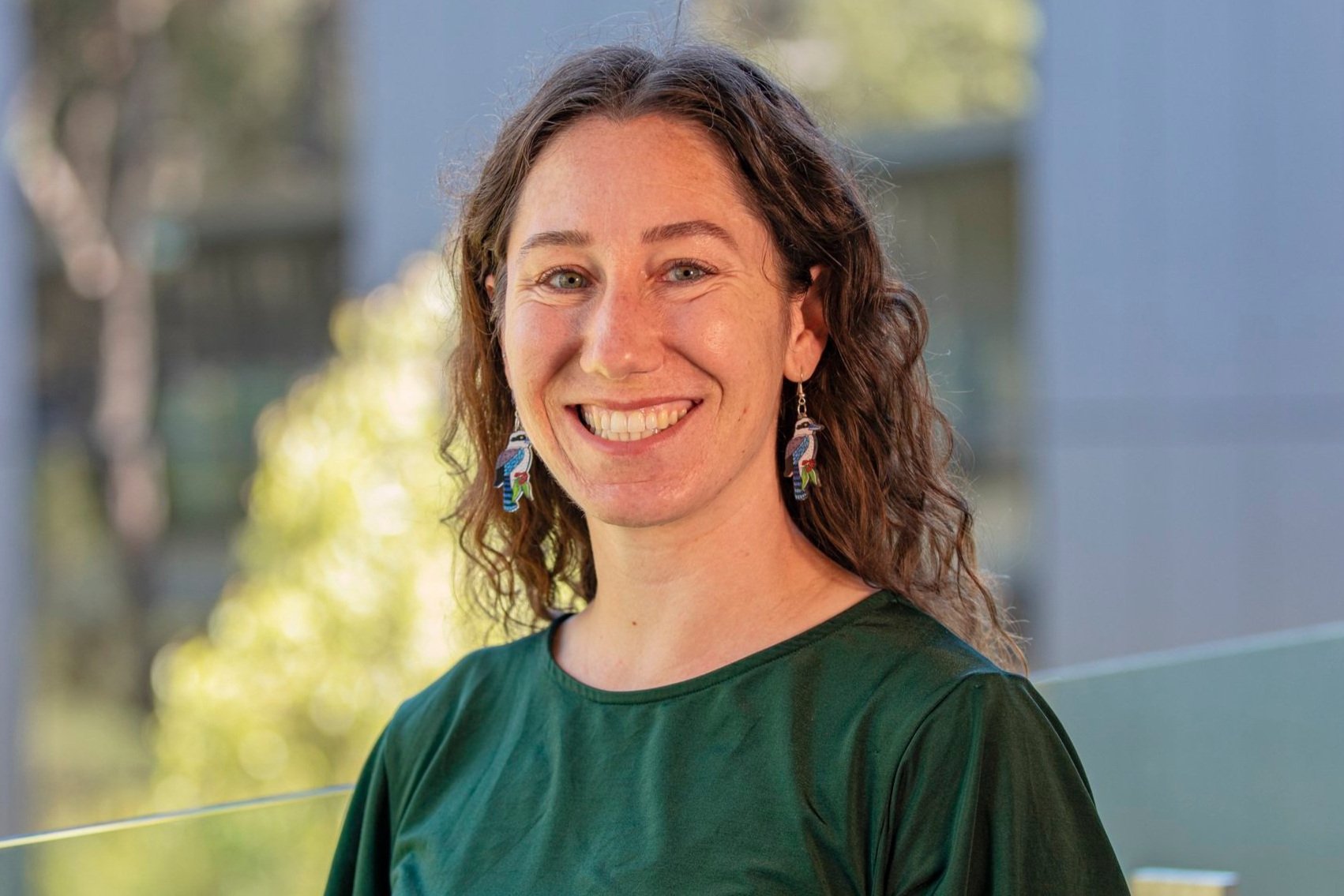
DATA INFRASTRUCTURE SPECIALIST
Kirsty Murray, PhD
Biography: Kirsty is a biomedical engineer and medical scientist by training, with a particular interest in research, design, and testing of medical devices and software. She completed her PhD in Neurosurgery, looking at device-mediated tissue engineering for the regeneration and repair of structural spinal tissues. She then worked as a postdoctoral clinical trial coordinator, where she led the development of a digital intervention for asthma self-management, in collaboration with Asthma Australia. Now she is a National Imaging Facility Data Infrastructure Specialist, where she is developing software to streamline MRI data management and analysis at the HMRI Imaging Centre.
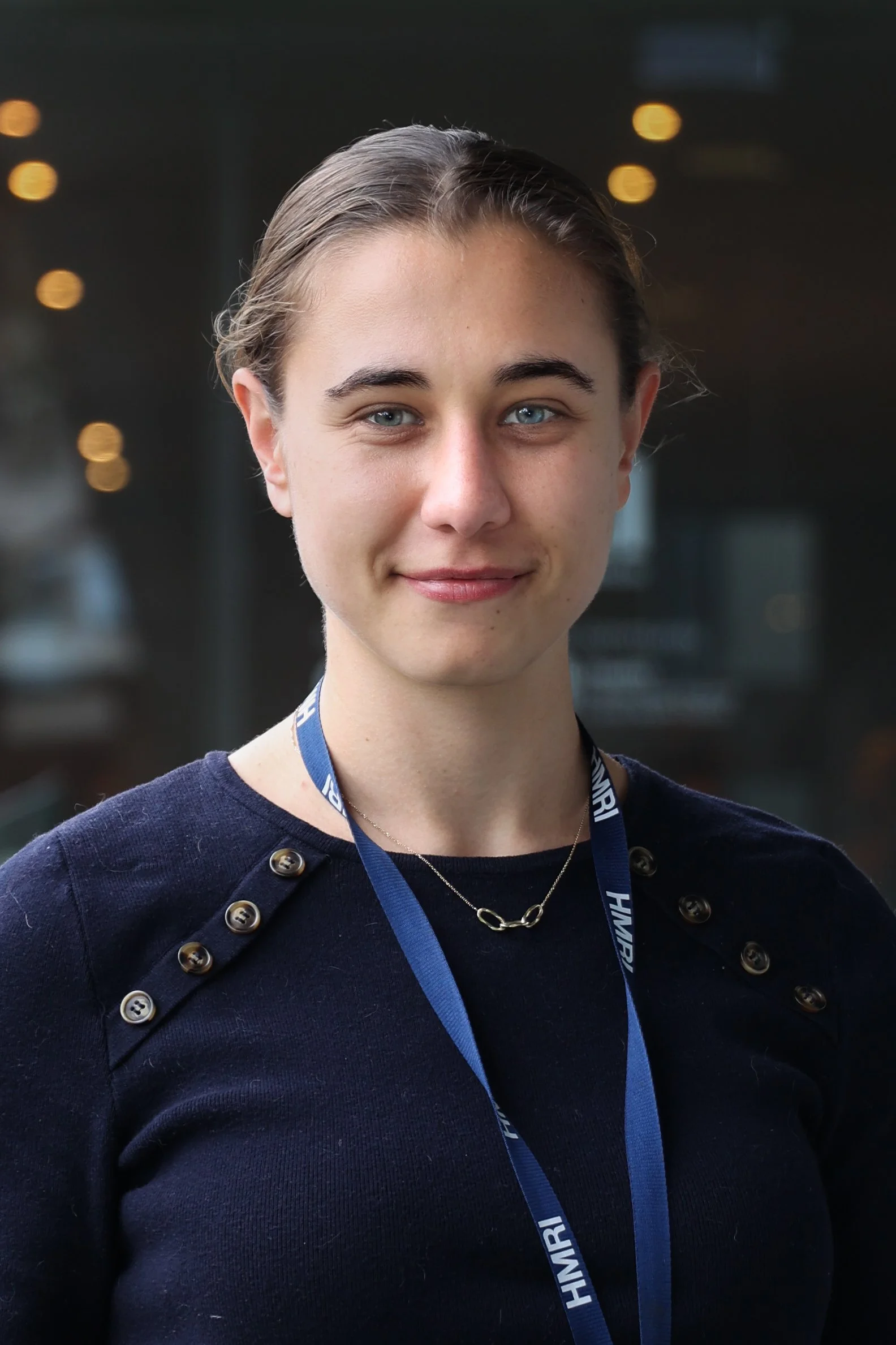
INDIGENOUS IMAGING FELLOW
Lillian Langford, PhD
Biography: I am a descendent of Kamilaroi mob. While my family is still reconnecting after the disconnection of the stolen generations, I was raised a proud Aboriginal father. I was also lucky enough to grow up on beautiful Awabakal Country and have not ventured very far!
I completed a Bachelor of Speech Pathology (Honours) at the University of Newcastle and have worked for several years as a speech pathologist, primarily supporting kids and their families in the early intervention space. I recently submitted the thesis for my PhD in Speech Pathology, also at UoN. My thesis focussed on listening to the experiences of Aboriginal carers of children, who had interactions with allied health professionals. I have also worked as a research assistant / project assistant in few different projects including the Guyati Garraka wa Witing project, and a project which focussed on speech pathology students helping families in a Supporting Recovery setting. I also work clinically, and occasionally as a Witness Intermediary.
I am passionate about improving access to healthcare, particularly for Aboriginal and Torres Strait Islander peoples. I have recently joined the team as one of three research fellows that are co-funded by the National Imaging Facility and Systems Neuroscience Group to foster Indigenous collaboration and ownership in the field of imaging research to improve health and wellbeing participation and outcomes for Indigenous Australians.
In my free time I like making niche playlists, vegetarian food, and things out of clay.
PhD Candidate
Jacob Morrison, MS
Biography: I am a PhD candidate at the University of Newcastle researching methods to detect early cognitive changes in people with dementia. This involves using naturalistic stimuli as a novel approach to explore memory and observe its temporal progression.
I hold a master’s degree in professional psychology and am completing my psychologist internship. My research experience spans the School of Psychological Sciences and the School of Medicine and Public Health at the University of Newcastle. I have contributed to randomised controlled trials and qualitative studies and am a co-author of a Cochrane systematic review.
Research Interests: My research interests lie at the intersection of neuroscience and psychotherapy. I am particularly interested in understanding how cognitive functions such as memory and attention are affected in neurodegenerative conditions.
Beyond this, I am passionate about psychological and lifestyle interventions that support cognitive and emotional well-being. This includes exploring how psychotherapy, behavioural strategies and lifestyle factors such as exercise, sleep and nutrition influence brain function and mental health outcomes.
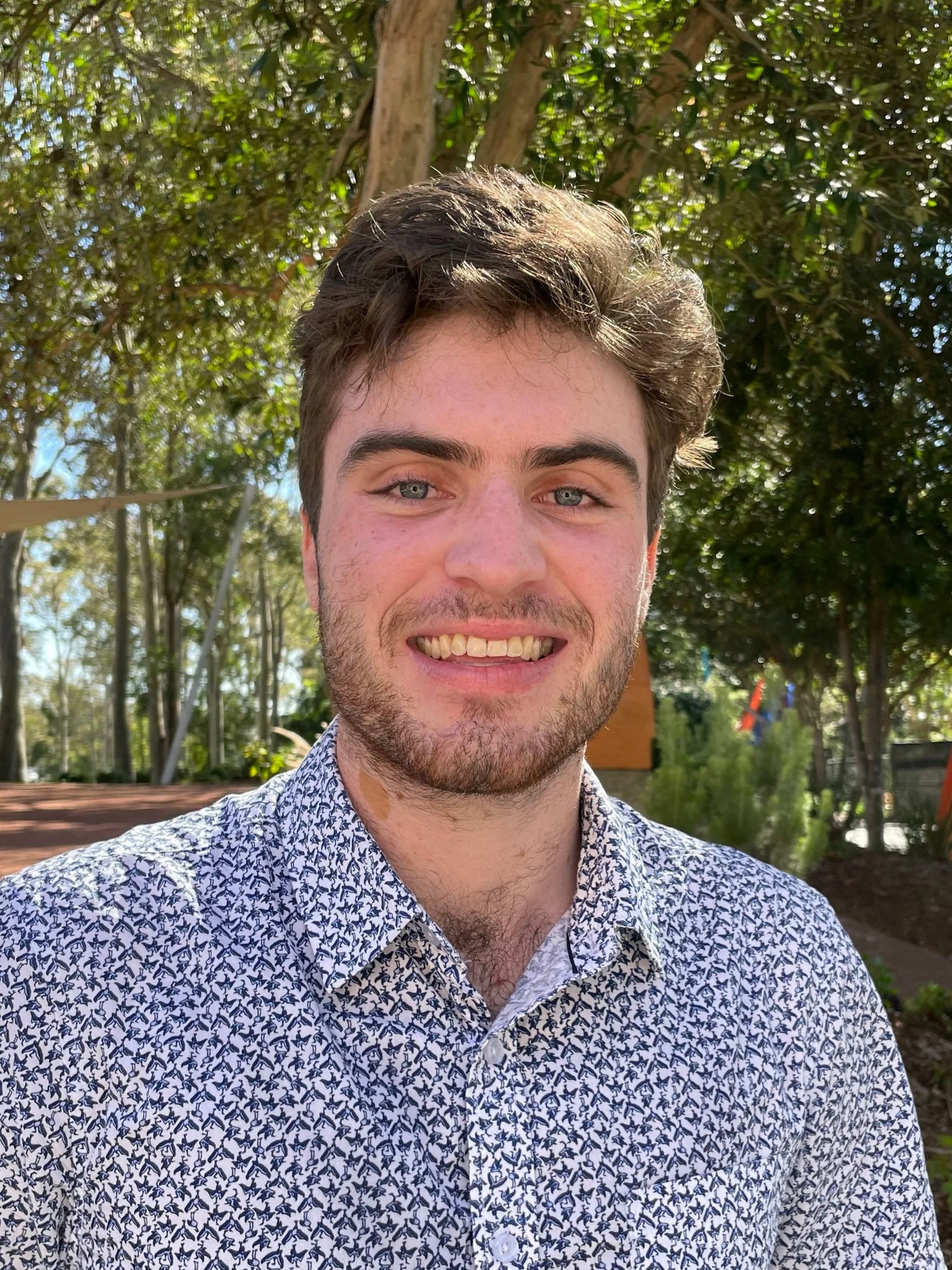
PhD Candidate
Chanelle Noble
Biography: I am Chanelle – a PhD student at the University of Newcastle supervised by Prof. Michael Breakspear and Dr Richa Phogat. My research investigates the cortico-hippocampal dynamics of visual mental imagery and episodic memory. I am particularly interested in integrating cognitive neuroscience with advanced neuroimaging and computational methods to better understand memory, perception, and conscious experience.
I hold a Bachelor of Science (Honours) from the University of Sydney, where I completed the neuroscience program and a major in philosophy. During my Honours, I developed experience in fMRI analysis and network neuroscience, which I continue to apply in my current research and my work as a research assistant to Dr Anna Behler investigating multimodal integration.
Outside of research, I enjoy being outdoors as much as possible, especially in the ocean or up on mountains .
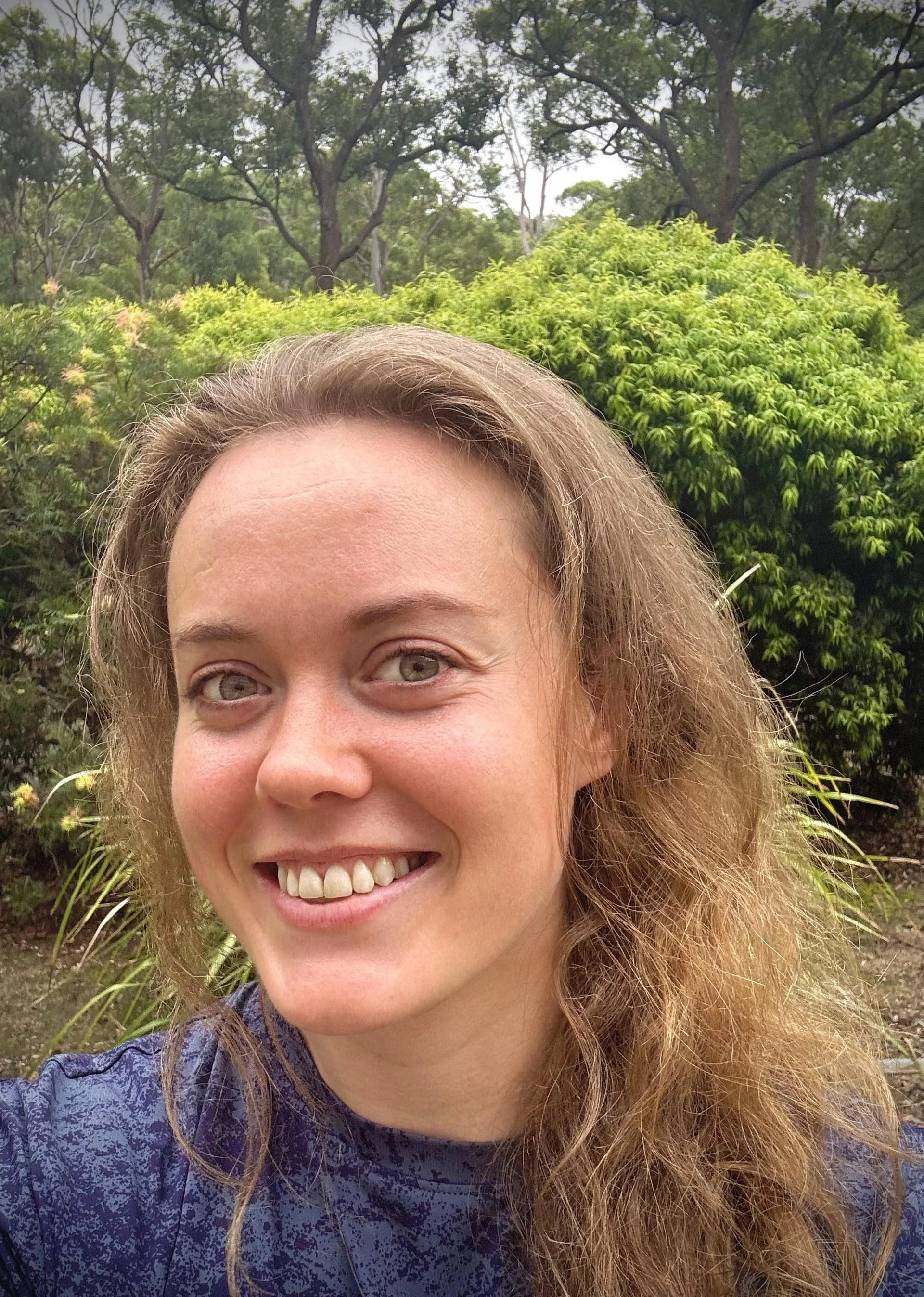
RESEARCH ASSISTANT
Kaela Afflick
I am a Research Assistant for the Systems Neuroscience Group.
Systems Neuroscience Group Alumni
VISITING POSTDOCTORAL RESEARCH FELLOW
Katharina V. Wellstein, PhD
Dr Wellstein received a Swiss National Science Foundation PostDoc Mobility Research Grant and was a visiting scholar in the Systems Neuroscience Group. After studying Social Psychology and African History at the University of Zurich, she completed her PhD in Computational Psychiatry at ETH Zurich in 2023. In her postdoc she investigated the mechanisms that may lead to and maintain constricted affect, a core symptom of many mental disorders. During her time in the Breakspear lab she used computational models of behaviour and belief formation and associated them with multi-dimensional data (fMRI, EMG, physiology, behavior). She uses predictive-coding frameworks, Bayesian generative models, and Bayesian statistics to draw inferences from the task-based data she acquired.
Dr Wellstein is very much driven by curiosity about how humans come to perceive their life differently from each other and how that impacts their behavior, social interactions, life, and health. Furthermore, she is interested in how the brain uses and integrates information from the outside world (exteroception) and from the body (interoception).

POSTDOCTORAL RESEARCH FELLOW - CLINICAL PSYCHOLOGY REGISTRAR
Caroline Faucher, PhD
Dr Faucher completed her PhD in Clinical Psychology at the University of Newcastle in 2025, focusing on sleep, cognition, and brain health in mid- to late-life. Alongside her research, she practices as a clinical psychology registrar. Dr Faucher’s research explores how modifiable lifestyle factors relate to cognition and brain health, integrating clinical and neuroscience approaches. She is also interested in animal-assisted therapy in health care and was the lead investigator for the Dog Assisted Intervention study to reduce anxiety during MRI scans with the help of her Golden Retriever, Maple, a certified therapy dog.

PhD CANDIDATE
Felicity Simpson, PhD
Dr Simpson completed a PhD at the University of Newcastle in 2026 with co-supervision by Prof Michael Breakspear researching how diet influences cognition and brain health in healthy older adults. Her work focuses on the cardiometabolic mechanisms linking diet to brain health and dementia, aiming to identify modifiable risk factors and that can help promote the development of effective prevention strategies. She uses neuroimaging techniques (EEG, ERPs, MRI, fNIRS) to explore early biomarkers of brain and body health and understand the mechanisms of cognitive ageing. Her long-term goal is to integrate precise physiological biomarkers with sensitive cognitive measures using computation neuroscience into a comprehensive framework.

PhD CANDIDATE
Nicholas Burton, PhD
Dr Burton completed a PhD at the University of Newcastle with supervision by Prof Michael Breakspear. His research bridges computational psychiatry and behavioural neuroscience to better understand learning and decision-making processes in the brain. Nicholas optimises computational models that captured how animals learn and adapt their behaviour in changing environments. Specifically, his work focuses on how animals process uncertainty and update their beliefs about their environment. Using operant behavioural tasks combined with mathematical models, he investigates how chronic stress and neurotransmitter systems, particularly serotonin, influence these learning processes. This research has important implications for understanding psychiatric conditions like depression and OCD, where learning and belief-updating processes are often disrupted.

RESEARCH ASSOCIATE
Saurabh Sonkusare, PhD
Dr Saurabh Sonkusare was visiting Research Associate for the Systems Neuroscience group between 2024-2025. Dr Sonkusare primarily has been trained and worked as a medical doctor (MBBS) with a subsequent MSc from the University of York, UK, and a PhD in Neurosciences from QIMR Berghofer/The University of Queensland, Brisbane, Australia. He completed a postdoc in the Dept. of Psychiatry, the University of Cambridge (2021-2024) with Prof Valerie Voon. Dr Sonkusare utilizes neuroimaging (LFPs, fMRI) and neuromodulation tools (TMS) to understand the functioning of key brain regions, their interactions, and meso/macroscale brain dynamics. He also specializes in psychophysiological measures (heart rate and skin conductance) and especially facial thermal imaging having developed methods for its analyses. Using traditional task paradigms and championing naturalistic ones such as movies, these streams of research form the basis for his investigations on neurobiological underpinnings of emotions, interoception, decision-making and their breakdown in affective disorders, anxiety disorders, obsessive-compulsive disorders and addictions.
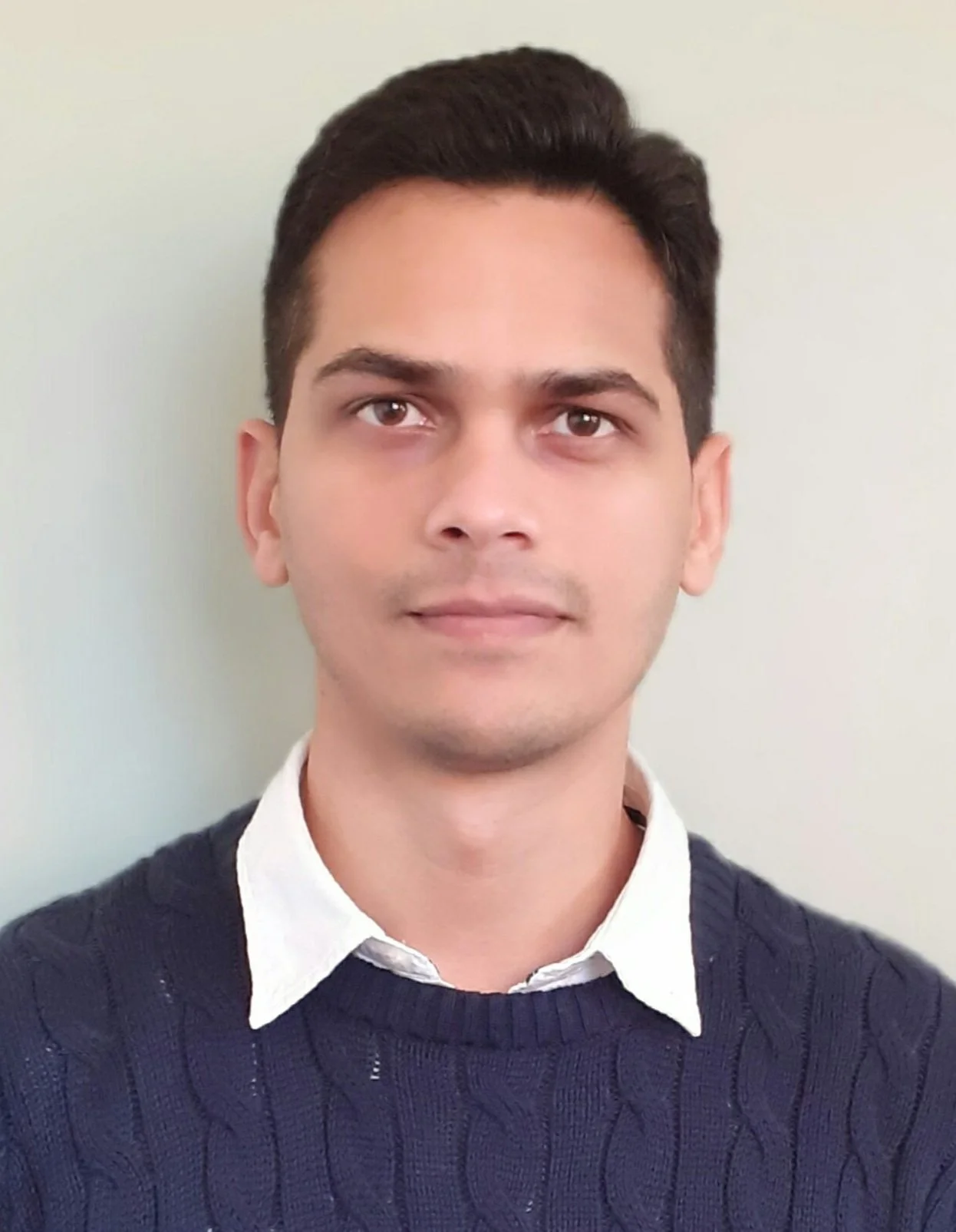
POSTDOCTORAL RESEARCH FELLOW
Megan Campbell, PhD
Dr Megan Campbell was a valued postdoctoral researcher in the Systems Neuroscience group.
PHD Candidate
Nikitas Koussis, PhD
Dr Koussis completed a PhD at the University of Newcastle in 2024.
PhD CANDIDATE
Jayson Jeganathan, PhD
Dr Jeganathan completed at PhD at the University of Newcastle in 2024.
CERTIFIED THERAPY DOG
Maple
I loved coming to work at the Imaging Centre because I had the privilege of supporting staff and research. My favourite part of my job is getting all of the pats and hearing that I am a good boy.
My human, Caroline, and I graduated as an animal-assisted therapy human-canine clinical team with Therapy Dogs Australia.
